


Outdoor kitchens have become a popular feature for homeowners who enjoy entertaining and cooking outside. However, choosing the right materials for an outdoor kitchen, particularly the countertops, requires careful consideration. Constant exposure to the elements, especially the sun, can have a significant impact on the durability and appearance of your countertops. In this guide, we’ll explore what happens when your outdoor kitchen countertops are always under the scorching sun, answering key questions to help you make informed decisions. Whether you’re considering kitchen countertops in Morganton, NC, or working with Granite Depot of Asheville, this guide will provide valuable insights into how the sun affects stone countertops in outdoor settings.
How Does Constant Sun Exposure Affect the Appearance of Stone Countertops?
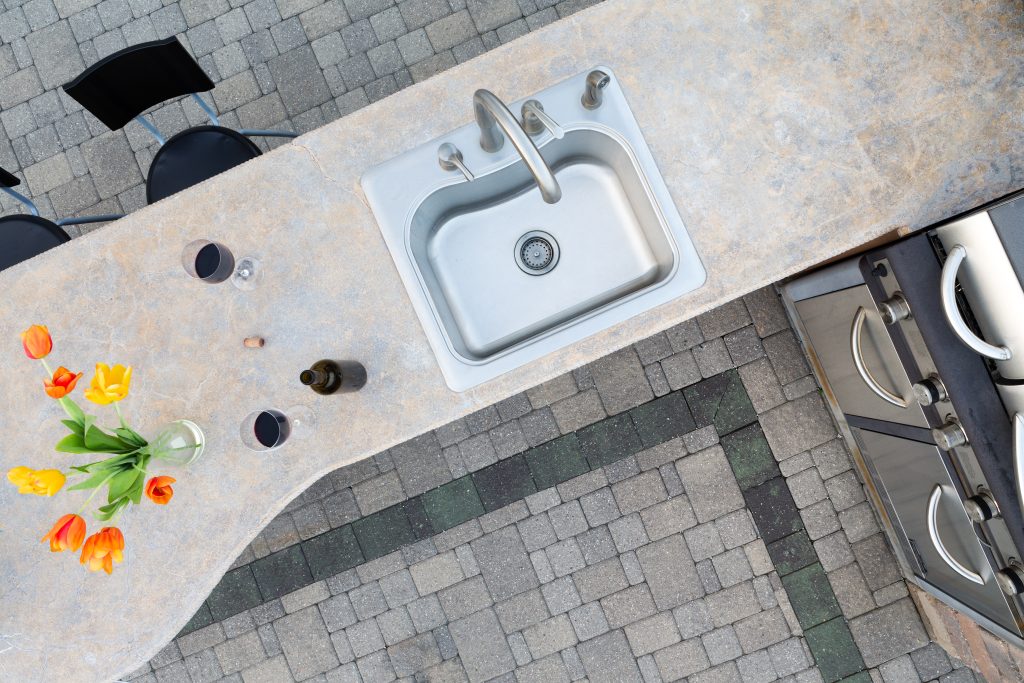
One of the primary concerns with outdoor kitchen countertops is how they will withstand constant exposure to the sun. The sun’s ultraviolet (UV) rays can have a significant impact on the appearance of stone countertops over time.
1. Fading and Discoloration: Prolonged exposure to UV rays can cause certain types of stone countertops to fade or change color. This is particularly true for darker stones, which are more prone to fading when exposed to direct sunlight.
- How It Happens:
Natural stone countertops, such as granite, marble, and quartzite, are composed of various minerals, each with its own color and properties. When these stones are exposed to the sun’s UV rays for extended periods, the minerals can break down or undergo chemical changes, leading to fading or discoloration. For example, a dark granite countertop may lose its rich, deep color and become lighter or more muted over time. - Common Signs:
You may notice that areas of the countertop that are more exposed to the sun become lighter or less vibrant than shaded areas. This can create an uneven appearance, particularly if only part of the countertop is exposed to direct sunlight. The fading process is gradual, so it may take several months or even years for the changes to become noticeable.
2. Surface Degradation: In addition to fading, constant sun exposure can cause the surface of stone countertops to degrade over time. This can result in a loss of gloss, a rougher texture, and increased susceptibility to stains and damage.
- How It Happens:
The sun’s UV rays can break down the resins and sealants used on stone countertops, leading to surface degradation. Over time, the protective sealant may wear away, leaving the stone more vulnerable to moisture, stains, and scratches. The surface may also become rougher and lose its glossy finish, making it less attractive and more difficult to clean. - Common Signs:
You might notice that the countertop feels less smooth to the touch and that its surface appears dull or uneven. Water may no longer bead up on the surface, indicating that the sealant has worn off. This can also lead to increased staining, as the stone becomes more porous and less resistant to spills and moisture.
3. Cracks and Chips: Constant exposure to the sun, combined with temperature fluctuations, can also lead to cracks and chips in stone countertops. This is especially true for softer stones like marble, which are more susceptible to thermal expansion and contraction.
- How It Happens:
As the stone heats up during the day and cools down at night, it undergoes expansion and contraction. Over time, this process can cause the stone to weaken and develop small cracks or chips. In extreme cases, the stone may even break or splinter, particularly if it is subjected to additional stress, such as heavy objects or impacts. - Common Signs:
Cracks and chips may start as small, barely noticeable imperfections but can worsen over time if not addressed. You may see small lines or fissures on the surface of the countertop, or you might notice tiny pieces of stone breaking away at the edges or corners.
Understanding how the sun affects the appearance of your stone countertops is crucial for maintaining their beauty and functionality in an outdoor setting. By choosing the right materials and taking preventive measures, you can minimize the impact of sun exposure on your kitchen countertops in Morganton, NC.
Which Types of Stone Countertops Are Best Suited for Outdoor Kitchens?
Not all stone countertops are created equal when it comes to withstanding the elements, particularly constant sun exposure. Here’s a look at which types of stone are best suited for outdoor kitchens and why.
1. Granite: Granite is one of the most popular choices for both indoor and outdoor countertops due to its durability, resistance to heat, and low porosity. It is particularly well-suited for outdoor kitchens where it will be exposed to the sun.
- Why Granite Is a Good Choice:
Granite is a natural stone that is highly resistant to heat, making it ideal for outdoor use. Its dense composition means it is less likely to absorb moisture or become stained, even when exposed to the elements. Granite’s wide range of colors and patterns also makes it an attractive option for outdoor kitchens, allowing homeowners to choose a stone that complements their design aesthetic. - Sun Resistance:
While granite is generally resistant to fading, darker colors may still lighten slightly over time if exposed to constant sunlight. However, this change is usually minimal and can be mitigated by choosing a lighter color or applying a UV-resistant sealant.
2. Quartzite: Quartzite is another excellent option for outdoor kitchen countertops. It is one of the hardest natural stones available, making it highly resistant to scratching, heat, and UV rays.
- Why Quartzite Is a Good Choice:
Quartzite’s durability makes it a top choice for outdoor kitchens, where it will be subjected to the elements. It has a natural resistance to UV rays, meaning it is less likely to fade or discolor when exposed to the sun. Quartzite also has a unique and beautiful appearance, often resembling marble with its intricate veining and subtle color variations, but with far greater durability. - Sun Resistance:
Quartzite is highly resistant to fading and surface degradation caused by UV rays. Its hardness also makes it less susceptible to cracking or chipping due to temperature fluctuations, making it a long-lasting option for outdoor spaces.
3. Soapstone: Soapstone is a less common but highly effective choice for outdoor kitchen countertops. It is a dense, non-porous stone that is resistant to stains, heat, and weathering.
- Why Soapstone Is a Good Choice:
Soapstone’s non-porous nature makes it highly resistant to moisture and staining, which is essential for outdoor use. It is also resistant to heat and can handle the high temperatures of direct sunlight without degrading. Soapstone has a smooth, matte finish that develops a natural patina over time, adding to its rustic charm. - Sun Resistance:
Soapstone is naturally resistant to UV rays and does not fade or discolor when exposed to the sun. Its dark, rich color may deepen over time as it develops a patina, but this only adds to its appeal.
4. Marble: While marble is a popular choice for indoor countertops, it is not generally recommended for outdoor kitchens due to its susceptibility to etching, staining, and thermal shock.
- Why Marble May Not Be Ideal:
Marble is a softer stone that is more prone to scratching, chipping, and staining than other options like granite or quartzite. It is also more susceptible to UV damage, which can cause the stone to fade and lose its polish over time. Additionally, marble can be sensitive to temperature fluctuations, which can cause it to crack or become damaged in outdoor settings. - Sun Resistance:
Marble is not as resistant to UV rays as other stones, making it more likely to fade and lose its luster when exposed to constant sunlight. For this reason, marble is generally better suited for indoor applications where it can be protected from the elements.
Choosing the right type of stone for your outdoor kitchen is essential to ensuring its longevity and appearance. Granite Depot of Asheville offers a wide range of stone options, including kitchen countertops in Morganton, NC, that are specifically designed to withstand the challenges of outdoor use.
How Can You Protect Your Outdoor Kitchen Countertops from Sun Damage?
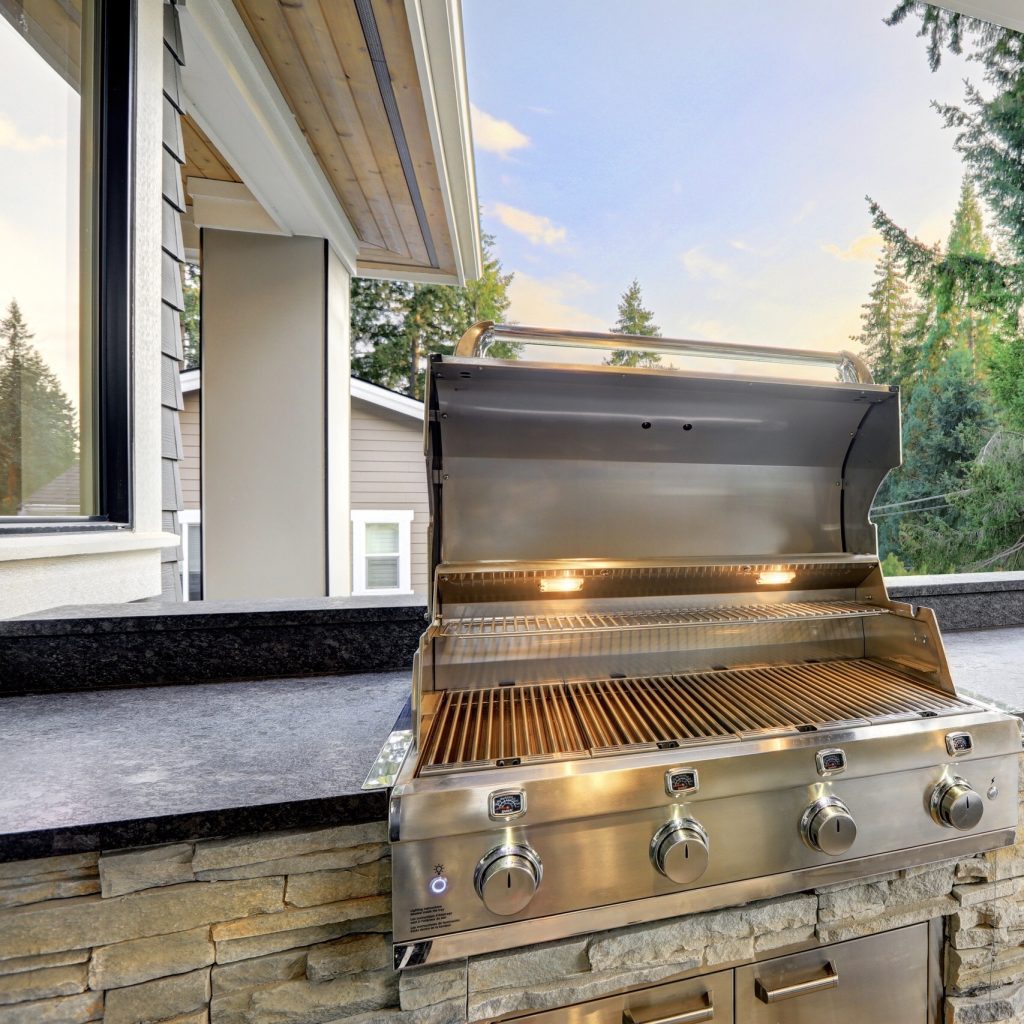
While choosing the right type of stone is crucial, there are also steps you can take to protect your outdoor kitchen countertops from sun damage. Here are some tips on how to maintain the beauty and durability of your countertops in an outdoor setting.
1. Apply a UV-Resistant Sealant: One of the most effective ways to protect your stone countertops from sun damage is by applying a UV-resistant sealant. This sealant acts as a barrier against the sun’s harmful rays, helping to prevent fading, discoloration, and surface degradation.
- How to Apply:
Choose a sealant that is specifically designed for outdoor use and offers UV protection. Before applying the sealant, make sure the countertop is clean and dry. Apply the sealant evenly across the surface using a brush or roller, and allow it to cure according to the manufacturer’s instructions. Depending on the type of stone and the level of sun exposure, you may need to reapply the sealant every 1 to 2 years. - Benefits:
A UV-resistant sealant helps to preserve the color and finish of your countertops, extending their lifespan and keeping them looking new. It also provides additional protection against moisture, stains, and other environmental factors.
2. Use Outdoor Covers or Shading: If your outdoor kitchen is located in an area with intense sun exposure, consider using covers or shading to protect your countertops. This can help reduce the direct impact of UV rays and minimize temperature fluctuations.
- How to Use:
Invest in a high-quality outdoor cover that fits securely over your countertops when they are not in use. Alternatively, you can install shading structures such as pergolas, awnings, or umbrellas to provide partial or full coverage. These structures not only protect your countertops but also create a more comfortable outdoor living space. - Benefits:
Using covers or shading can significantly reduce the risk of sun damage, keeping your countertops cooler and preventing fading and surface degradation. It also helps to protect your outdoor kitchen from other environmental factors, such as rain, snow, and debris.
3. Clean and Maintain Regularly: Regular cleaning and maintenance are essential to keeping your outdoor kitchen countertops in top condition. This includes removing dirt, debris, and spills that can contribute to surface damage.
- How to Clean:
Clean your countertops regularly with a mild, pH-balanced cleaner and a soft cloth or sponge. Avoid using harsh chemicals or abrasive pads, as these can damage the surface and strip away protective sealants. After cleaning, rinse the surface with clean water and dry it with a soft towel to prevent water spots. - Benefits:
Regular cleaning helps to remove dirt, grime, and other contaminants that can degrade the surface of your countertops over time. It also allows you to inspect the countertops for any signs of damage, such as cracks or chips, so you can address them before they worsen.
4. Monitor and Repair Damage Promptly: Even with the best care, outdoor countertops can still be subject to wear and tear. It’s important to monitor your countertops regularly and address any damage as soon as it occurs.
- How to Monitor:
Inspect your countertops regularly for signs of fading, cracks, chips, or other damage. If you notice any issues, consider applying a new coat of sealant or seeking professional repair services. - Benefits:
Promptly addressing damage helps to prevent it from spreading and causing more significant issues. By staying proactive with maintenance, you can extend the life of your outdoor countertops and keep them looking beautiful for years to come.
By taking these steps, you can protect your kitchen countertops in Morganton, NC, from the damaging effects of constant sun exposure. Granite Depot of Asheville offers expert advice and a range of products to help you maintain and protect your outdoor kitchen countertops, ensuring they remain a stunning and functional feature of your outdoor space.
Conclusion
Constant sun exposure can have a significant impact on outdoor kitchen countertops, affecting their appearance, durability, and overall performance. Understanding how the sun affects different types of stone, choosing the right materials, and taking proactive measures to protect your countertops are all essential to ensuring their longevity.
At Granite Depot of Asheville, we specialize in providing high-quality stone countertops that are designed to withstand the challenges of outdoor use. Whether you’re considering kitchen countertops in Morganton, NC, or exploring options for your outdoor kitchen, our team is here to help you make informed decisions and protect your investment.
Visit us today to learn more about our products and services, and let us help you create a beautiful and durable outdoor kitchen that you can enjoy for years to come. With the right care and attention, your stone countertops will continue to be a source of pride and enjoyment in your outdoor living space.