


The process of creating and transporting stone countertops is a fascinating journey that combines natural beauty with human craftsmanship. From the initial quarrying of the stone to its final installation in your home, each step is carefully managed to ensure the highest quality and durability. In this article, we’ll explore the steps involved in the production and transportation of stone countertops, answering key questions to provide you with a deeper understanding of this intricate process. Whether you’re considering countertops in Morganton, NC, or planning your next home renovation with Granite Depot of Asheville, this guide will offer valuable insights into how your stone countertops are crafted and delivered.
What Are the Key Steps in the Production of Stone Countertops?
The production of stone countertops involves several critical steps, each of which is essential to transforming raw stone into a beautiful, functional surface for your home. Here’s an overview of the process:
1. Quarrying the Stone: The journey of a stone countertop begins at the quarry, where massive blocks of natural stone are extracted from the earth. This is a highly specialized process that requires skilled labor and advanced machinery to carefully remove the stone without causing damage.
- How Quarrying Works:
Quarrying typically involves drilling, cutting, and blasting to separate large blocks of stone from the surrounding rock. These blocks can weigh several tons and must be handled with care to prevent cracks or fractures. The type of stone being quarried, such as granite, marble, or quartzite, will determine the specific methods used. For example, granite, known for its hardness, requires more forceful extraction techniques than softer stones like marble. - Selecting High-Quality Stone:
Not all stone blocks are suitable for countertops. After extraction, the blocks are carefully inspected for quality. Factors such as color, veining, and the presence of any flaws or impurities are considered. Only the highest quality stone is selected for further processing, ensuring that the final product meets the standards expected by consumers.
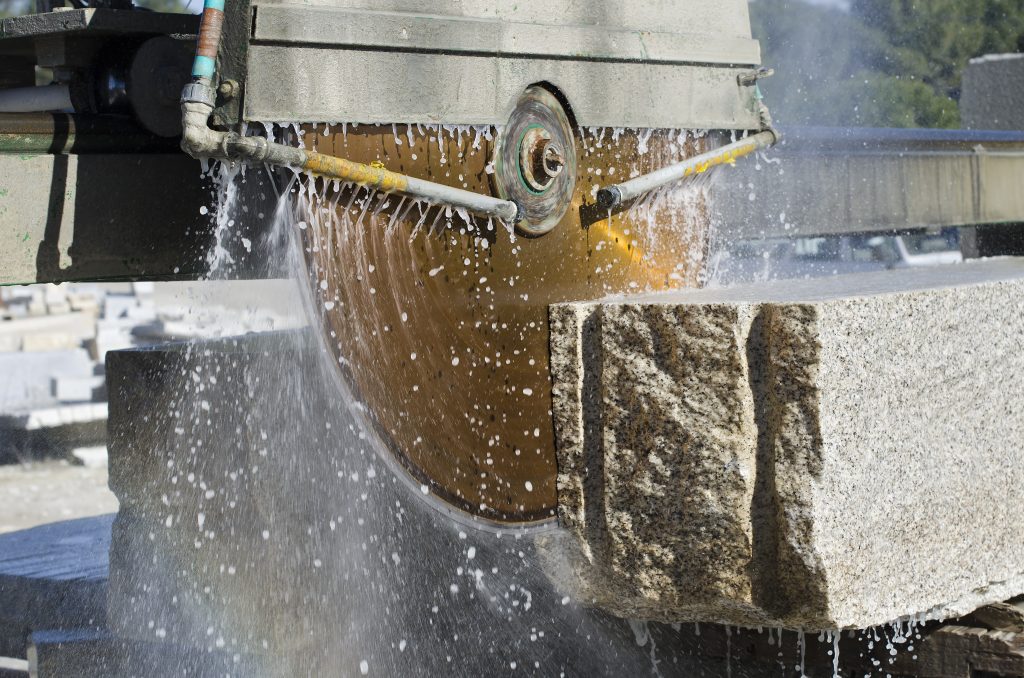
2. Cutting and Shaping the Stone: Once the stone blocks are extracted from the quarry, they are transported to a fabrication facility where they are cut and shaped into slabs. This is a precise process that involves both advanced technology and skilled craftsmanship.
- Cutting the Slabs:
The large stone blocks are cut into slabs of varying thickness using diamond wire saws or gang saws. These saws are designed to cut through the stone with incredible accuracy, creating slabs that are uniform in thickness and free of imperfections. The standard thickness for countertops in Morganton, NC is typically 2 to 3 centimeters, depending on the desired strength and appearance. - Polishing and Finishing:
After the slabs are cut, they undergo a polishing process to bring out the natural beauty of the stone. The slabs are passed through a series of polishing heads equipped with abrasive pads that gradually refine the surface to a smooth, glossy finish. For homeowners who prefer a matte or honed finish, the polishing process can be adjusted to achieve the desired texture. Edging and shaping are also completed at this stage, with options like beveled, bullnose, or ogee edges available to customize the appearance of the countertops.
3. Inspecting and Preparing for Transport: Before the stone slabs are ready for transport, they undergo a final inspection to ensure they meet the required quality standards. This step is crucial to ensure that only the best slabs make it to the installation phase.
- Final Inspection:
Inspectors examine the slabs for any defects, such as cracks, chips, or inconsistencies in color and pattern. Any imperfections that could affect the durability or aesthetics of the countertop are identified and addressed. Slabs that pass the inspection are then carefully labeled and prepared for transport. - Packaging and Protection:
To protect the slabs during transport, they are securely packaged using foam, plastic wrap, and wooden crates. This packaging is designed to prevent damage from vibrations, impacts, and environmental factors during transit. Proper packaging is essential to ensure that the stone arrives at its destination in perfect condition.
At Granite Depot of Asheville, we take pride in every step of the production process, ensuring that our countertops in Morganton, NC, are crafted with precision and care. By understanding these steps, you can appreciate the craftsmanship that goes into creating your stone countertops.
How Are Stone Countertops Transported Safely to Their Destination?
Transporting stone countertops is a delicate process that requires careful planning and execution to ensure that the slabs arrive at their destination without damage. Here’s how the transportation of stone countertops is managed:
1. Preparing for Transportation: Once the stone slabs are cut, polished, and inspected, they are carefully packaged for transportation. This involves securing the slabs to prevent any movement that could cause damage during transit.
- Securing the Slabs:
The slabs are typically loaded onto A-frames, which are specially designed to hold them securely in an upright position. The A-frames are made of steel or wood and are lined with protective padding to cushion the stone. Each slab is strapped tightly to the frame to prevent it from shifting or tipping over during transport. For longer journeys, additional supports may be added to the packaging to ensure stability. - Loading the Transport Vehicle:
The packaged slabs are loaded onto flatbed trucks or shipping containers, depending on the distance they need to travel. The loading process is carefully monitored to ensure that the slabs are positioned correctly and securely fastened. The trucks used for transportation are equipped with suspension systems that help absorb shocks and vibrations, minimizing the risk of damage.
2. Handling During Transit: During transit, stone slabs must be handled with care to avoid any potential damage. The transportation team plays a critical role in ensuring that the slabs are delivered safely.
- Monitoring Road Conditions:
Drivers transporting stone slabs must be aware of road conditions and adjust their driving accordingly. Sharp turns, sudden stops, and uneven roads can all pose risks to the integrity of the stone. By driving cautiously and avoiding rough terrain, drivers can minimize the impact of road conditions on the slabs. - Regular Checks:
Throughout the journey, regular checks are conducted to ensure that the slabs remain secure and undamaged. If any issues are detected, such as loosening straps or shifting slabs, they are addressed immediately. These checks help prevent damage and ensure that the stone arrives at its destination in pristine condition.
3. Unloading and Delivery: Upon reaching the destination, the slabs are carefully unloaded and prepared for installation. This final step in the transportation process is just as important as the initial loading and transport.
- Safe Unloading Practices:
The unloading process requires the same level of care as the loading and transportation. The slabs are carefully removed from the transport vehicle using forklifts or cranes, depending on their size and weight. Special attention is paid to ensuring that the slabs do not come into contact with hard surfaces or sharp edges that could cause chipping or cracking. - Inspection Upon Arrival:
After unloading, the slabs are inspected once again to ensure that they have arrived without any damage. This final inspection allows any potential issues to be identified and addressed before the installation process begins. For homeowners in Morganton, NC, Granite Depot of Asheville ensures that the slabs are delivered in perfect condition, ready for installation in your home.
By following these careful steps during transportation, we ensure that your stone countertops arrive safely and are ready for installation, providing you with a beautiful and durable surface for your home.

What Happens During the Installation of Stone Countertops?
The installation of stone countertops is the final step in the journey from quarry to kitchen. This process requires precision, skill, and attention to detail to ensure a flawless fit and finish. Here’s what you can expect during the installation of your stone countertops:
1. Preparing the Installation Site: Before the stone countertops can be installed, the installation site must be properly prepared. This involves several important steps to ensure a smooth and successful installation.
- Measuring and Templating:
Accurate measurements are crucial for a successful countertop installation. The installation team will create a template of your kitchen or bathroom layout, ensuring that the stone slabs are cut to the exact dimensions required. This template takes into account the location of sinks, appliances, and any other features that may affect the fit of the countertops. - Preparing the Cabinets:
The cabinets that will support the countertops must be level, stable, and properly reinforced. The installation team will inspect the cabinets to ensure they can support the weight of the stone slabs. Any necessary adjustments, such as adding additional supports or leveling the cabinets, will be made before the countertops are installed.
2. Installing the Stone Countertops: With the installation site prepared, the stone countertops are ready to be installed. This is a precise process that requires careful handling and alignment.
- Positioning the Slabs:
The stone slabs are carefully positioned on the cabinets, using the template as a guide. The installation team will ensure that the slabs are aligned correctly, with seams that are as inconspicuous as possible. In some cases, multiple slabs may be used to cover a large area, and these seams must be carefully joined to create a seamless appearance. - Securing the Countertops:
Once the slabs are in place, they are secured to the cabinets using adhesive and, in some cases, mechanical fasteners. The installation team will ensure that the slabs are firmly anchored and that there is no movement or shifting. Any gaps between the countertops and the walls or cabinets will be filled with caulk or silicone to create a finished look.
3. Final Touches and Inspection: After the countertops are installed, the installation team will complete any final touches and perform a thorough inspection to ensure everything is perfect.
- Polishing and Sealing:
The surface of the countertops may be polished again to remove any fingerprints, dust, or minor imperfections that occurred during installation. The edges and seams will also be polished to ensure a smooth, finished look. Finally, the countertops will be sealed to protect the stone from stains, moisture, and damage. - Final Inspection:
The installation team will conduct a final inspection to ensure that the countertops are installed correctly and meet the highest quality standards. This includes checking for level surfaces, tight seams, and a flawless finish. For homeowners in Morganton, NC, Granite Depot of Asheville guarantees that every detail is perfect before the installation is complete.
Conclusion
The production, transportation, and installation of stone countertops is a complex and meticulous process that requires skill, precision, and attention to detail. From the moment the stone is quarried to its final installation in your home, every step is carefully managed to ensure that you receive a high-quality product that will last for years to come.
At Granite Depot of Asheville, we take pride in providing our customers with beautiful, durable stone countertops that enhance the beauty and functionality of their homes. Whether you’re considering countertops in Morganton, NC, or planning a new kitchen or bathroom renovation, our team is here to guide you through every step of the process.
Visit us today to learn more about our products and services, and let us help you create the perfect countertops for your home. With our expertise and commitment to quality, you can trust that your stone countertops will be a lasting investment in your home’s beauty and value.