

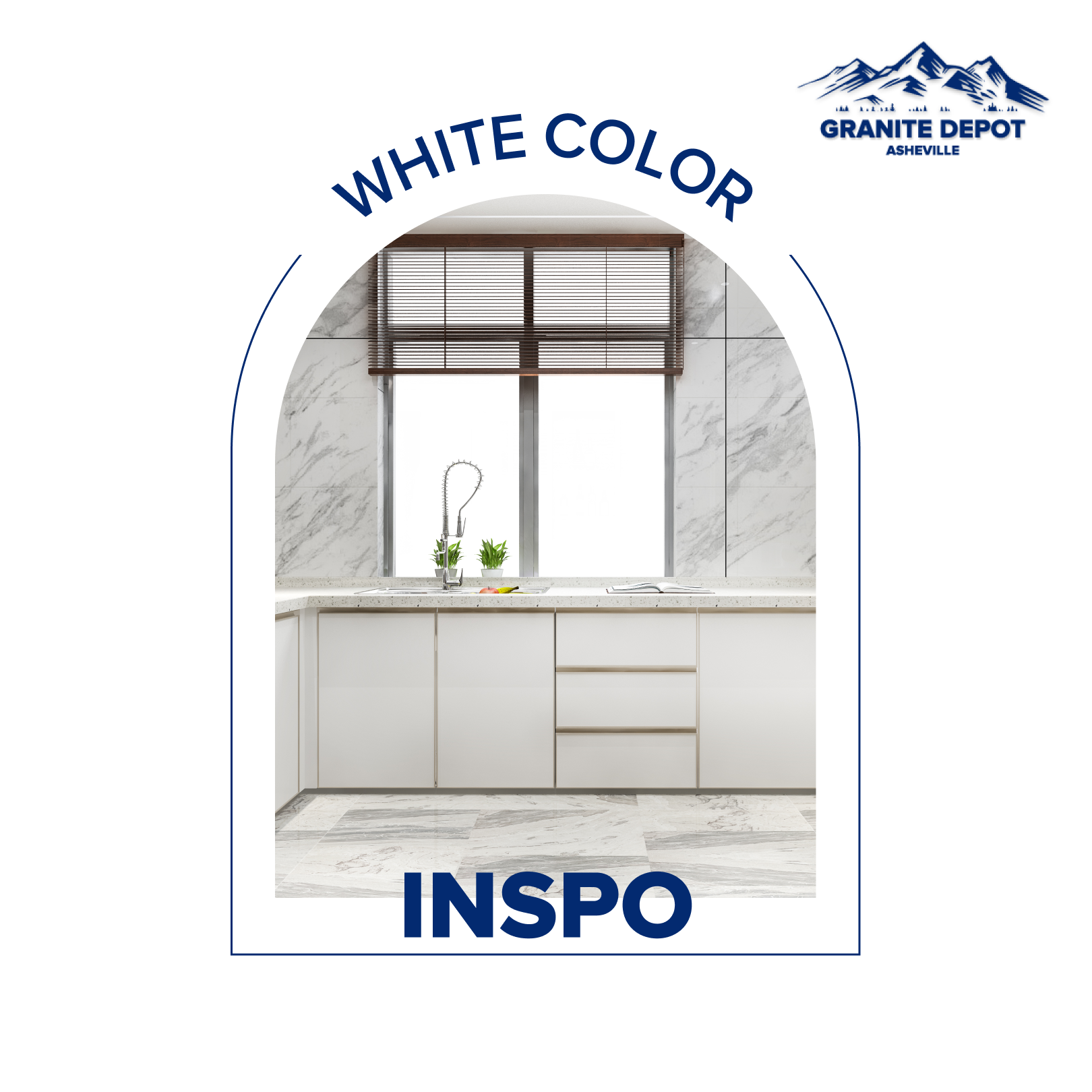
Quartz countertops have become a popular choice for indoor kitchen and quartz bathroom countertops, but what about their use in outdoor kitchens? This article explores the suitability of quartz countertops for outdoor settings, helping homeowners decide whether they’re a practical choice for enhancing their outdoor living areas.
Durability Against Elements: Quartz is known for its durability, but it’s important to note that it is not completely UV resistant. Prolonged exposure to direct sunlight can cause the colors in quartz bathroom countertops to fade over time, which could be a concern for outdoor kitchens that receive a lot of sun. However, in shaded or partially covered outdoor kitchens, quartz can be a viable option that offers durability against wear and tear.
Maintenance and Care: One of the biggest advantages of quartz is its low maintenance. It resists staining and does not require sealing, making it an excellent choice for outdoor areas where food and drinks are often served. However, because quartz is not as heat resistant as other materials like granite, care should be taken to avoid placing hot pots and pans directly on the surface without a trivet.
Aesthetic Appeal: Quartz comes in a variety of colors and patterns, some of which can mimic the look of natural stone. This makes it a versatile choice for integrating with other elements in your outdoor kitchen. The seamless look of quartz can add a touch of modern sophistication to any outdoor space.
Cost Considerations: While quartz is generally more affordable than premium natural stones, it’s still important to consider the investment, especially if the outdoor kitchen will be exposed to elements that might shorten the lifespan of the countertops.
For homeowners considering quartz for their outdoor kitchens, it’s essential to weigh these factors against their specific needs and the conditions of their outdoor living spaces.