


Granite countertops are a stunning addition to any home, known for their durability and natural beauty. However, like any high-use surface, granite countertops can sometimes be vulnerable to stubborn stains, especially if spills aren’t cleaned up immediately. The good news is that with the right care and attention, these stains can be removed, allowing your granite to continue to shine for years to come. At Granite Depot of Asheville, we understand how important it is to maintain the pristine condition of your countertops, which is why we’ve put together this guide on how to remove stubborn stains from granite.
In this article, we’ll answer some common questions about granite countertop maintenance, focusing on stain removal. We’ll also highlight some helpful tips to prevent stains from occurring in the first place. Whether you’re searching for granite countertop stores Tryon, NC or simply want to learn more about maintaining your countertops, read on to discover effective ways to keep your granite countertops looking flawless.
What Causes Stubborn Stains on Granite Countertops?
Understanding the causes of stains is the first step in effectively treating them. While granite is a naturally durable and non-porous material, it can still absorb substances over time, especially if the surface has not been properly sealed. Stubborn stains on granite countertops are usually the result of the following:
-
Oil-Based Stains: Cooking oils, butter, lotions, and cosmetics are some of the most common culprits for oil-based stains. When oil is spilled on granite, it can seep into the stone, especially if it’s not sealed properly. Oil stains typically appear as dark spots or blotches on the surface.
-
Water Marks and Rings: Hard water deposits or water stains from glasses or cups can leave behind marks on granite countertops, particularly on lighter-colored stones. While granite is resistant to moisture, prolonged exposure to water can still lead to stains if spills are not wiped up quickly.
-
Food and Beverage Stains: Coffee, wine, fruit juices, and sauces are all acidic and can cause stains on granite countertops. These stains are often more difficult to remove because the acid can etch the surface of the granite if left untreated.
-
Rust Stains: Rust stains are common in areas where metal objects, such as appliances or utensils, are left on the granite surface for extended periods. Rust stains can be tricky to remove, as they tend to seep deep into the granite if not treated promptly.
While granite is incredibly resistant to many types of stains, it’s important to know what to look for so you can effectively treat them. If you’re seeking advice on caring for your granite countertops, visit your local granite countertop stores Tryon, NC for expert guidance on maintaining your surfaces.
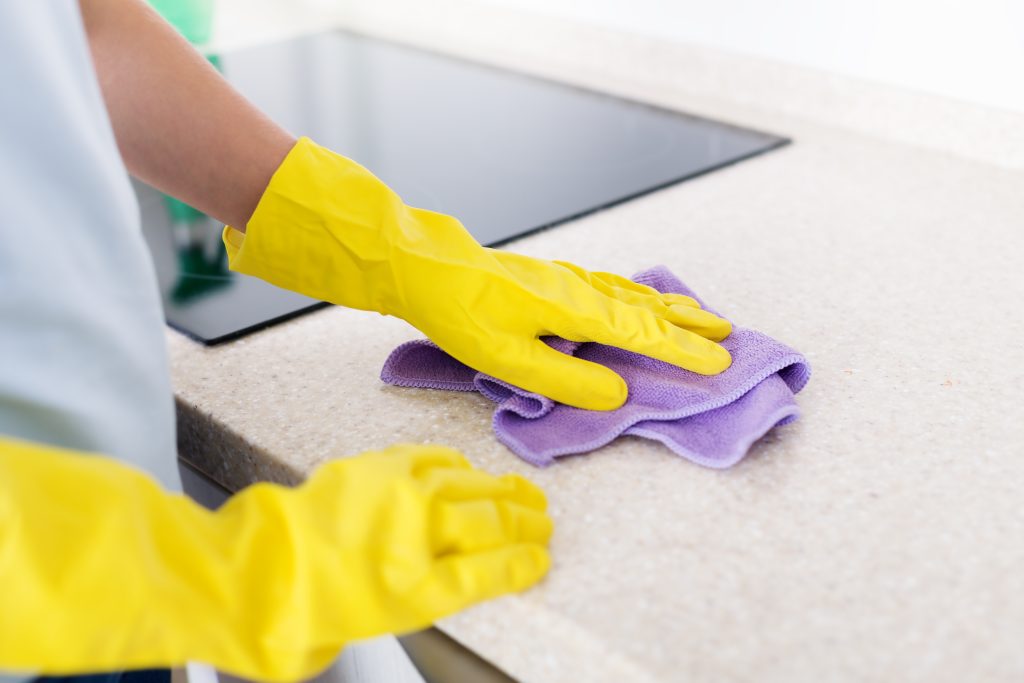
How Can You Effectively Remove Stubborn Stains from Granite?
Once you’ve identified the source of the stain, the next step is to tackle the removal process. Here are some methods for effectively removing stubborn stains from granite countertops:
-
Oil-Based Stains: To remove oil-based stains, you’ll need to create a poultice. A poultice is a paste-like substance that can draw the stain out of the granite. To make a poultice, combine baking soda with water to form a thick paste. Apply this paste to the stained area and cover it with plastic wrap. Let it sit for 24 hours, then remove the poultice and clean the area with a soft cloth. If necessary, repeat the process until the stain is completely gone.
-
Water Marks: To remove water stains, mix a small amount of baking soda with water to create a paste. Apply the paste to the affected area and let it sit for 15 to 20 minutes. Gently rub the paste into the stain using a soft cloth or sponge, and then rinse with water. If the water stain persists, repeat the process with a poultice made from baking soda and water to help absorb the moisture trapped in the stone.
-
Food and Beverage Stains: For stains caused by acidic substances, such as coffee or wine, a mixture of hydrogen peroxide and baking soda can be effective. Mix hydrogen peroxide with a small amount of baking soda to form a paste, and apply it to the stain. Let it sit for 10-15 minutes, then gently scrub with a soft cloth or sponge. Rinse with water and dry the area thoroughly. This method works well on both light and dark granite surfaces.
-
Rust Stains: Rust stains can be particularly difficult to remove, but they are not impossible. Use a specialized rust remover designed for natural stone, following the manufacturer’s instructions carefully. These products are formulated to break down the rust without damaging the surface of the granite. If you prefer a DIY solution, a mixture of baking soda and hydrogen peroxide can also help to lighten rust stains. Apply the paste to the stained area, let it sit for a few hours, and then wipe it off with a damp cloth.
If you’re unsure about which cleaning method is best for your specific granite surface, visit granite countertop stores Tryon, NC for expert advice and product recommendations. The team at Granite Depot of Asheville can also help you choose the right solutions for maintaining your granite countertops.

How Can You Prevent Stubborn Stains on Granite Countertops?
While stubborn stains can be removed, the best approach is always to prevent them from happening in the first place. Here are some helpful tips for keeping your granite countertops in pristine condition:
-
Seal Your Granite: One of the most important steps in preventing stains is to seal your granite countertops regularly. Sealing creates a protective barrier that helps prevent liquids from being absorbed into the stone. It’s recommended to reseal granite countertops every 1-2 years, depending on usage. If you’re unsure whether your countertops need sealing, try a water test: Place a few drops of water on the surface and see if it absorbs. If the water beads up, the granite is properly sealed.
-
Clean Up Spills Immediately: Even though granite is a durable material, it’s still important to clean up spills as soon as they occur. Oil, acidic foods, and beverages can quickly stain granite if left unattended. Keep a soft cloth or paper towel handy to wipe up spills and avoid leaving stains on your countertops.
-
Use Cutting Boards and Trivets: Protect your countertops from potential damage by using cutting boards for food preparation and trivets for hot pots and pans. This will help prevent scratches, heat marks, and stains from forming on your granite surfaces.
-
Use a Mild Cleaner: When cleaning your granite countertops, avoid using harsh chemicals or abrasive cleaning products. Instead, use a mild dish soap solution and a soft cloth to wipe down the surface. You can also purchase a cleaner specifically designed for granite countertops to ensure that your countertops are well-maintained without damaging the surface.
If you need more tips on how to maintain your granite countertops, Granite Depot of Asheville offers professional care products and services. For expert advice on the best cleaning practices and stain prevention for granite countertop stores Tryon, NC, visit us today.